Wildlife and Conservation
The Conservation of wildlife is important to us here at the SWCC. Not only does it help support all life on Earth, but it also helps ensure that future generations can enjoy the environments in their natural state and the incredible species inhabiting our beautiful property. Conservation of wildlife promotes pollination in our prairie as well as protecting the ecological stability.
April Wildlife Highlights
Prairie Life 🌾
Plants
Spring is just around the corner and soon it will be a good time to rejuvenate the prairie, here at the SWCC we plan to cut the tall grasses soon. This will allow for a fresh start and help the native plants within the prairie grow.
Insects
As the weather warms up, insects will become more active especially early pollinators like bumble bees. Heavy rains, which are common in April, can drive some insects like spiders and ants to find shelter indoors.
Mammals
Deer, fox, groundhogs, chipmunks and other mammals will be more active in this transition period between winter and spring. Birds have migrated back to our wooded areas. One bird species called the American Woodcock was heard by an SWCC Board Member in March. The male performed a unique courtship flight at dusk, making a “peent” sound before making a spiral ascent and descent. This is a rare sight that we do not see often on our property. Other bird species and flying creatures like bats will be more active as well.
Member Contributions:
The Prairie Project
By Sarah Brandon
Over the years, the Southwest Conservation Club has supported conservational projects in Waynedale, from raising/releasing quail and pheasants, to honey bee harvesting, and planting a prairie on the property. Nine years ago this past December, one of our former presidents, Eddie Coble and the Heartland Restoration Service began planting the seeds that would soon grow into an entire functioning and surviving tall grass prairie, full of life and many native species.
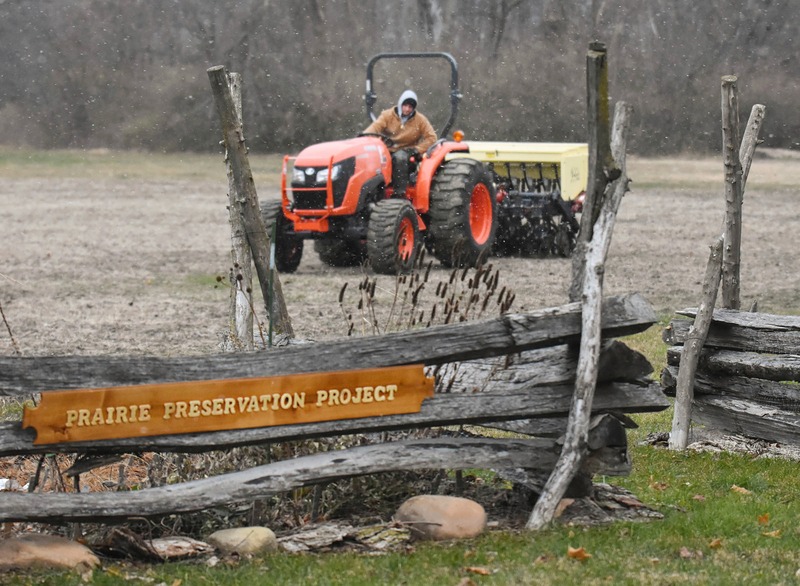
The idea started in May, 2016. Eddie presented his plan for a new addition to the front of the Southwest Conservation Club property, a prairie. He applied for a $1,000 grant with a plan to spend $900 on renting a Native-seed planting drill and the other $100 to purchase Indiana native seeds. After approval, the plan was set in motion and the prairie seeds were planted with the planting drill. Planting a prairie takes knowledge, planning, preparation, and after care. Eddie already had the knowledge and the plan drawn out. It was just a matter of making it happen.
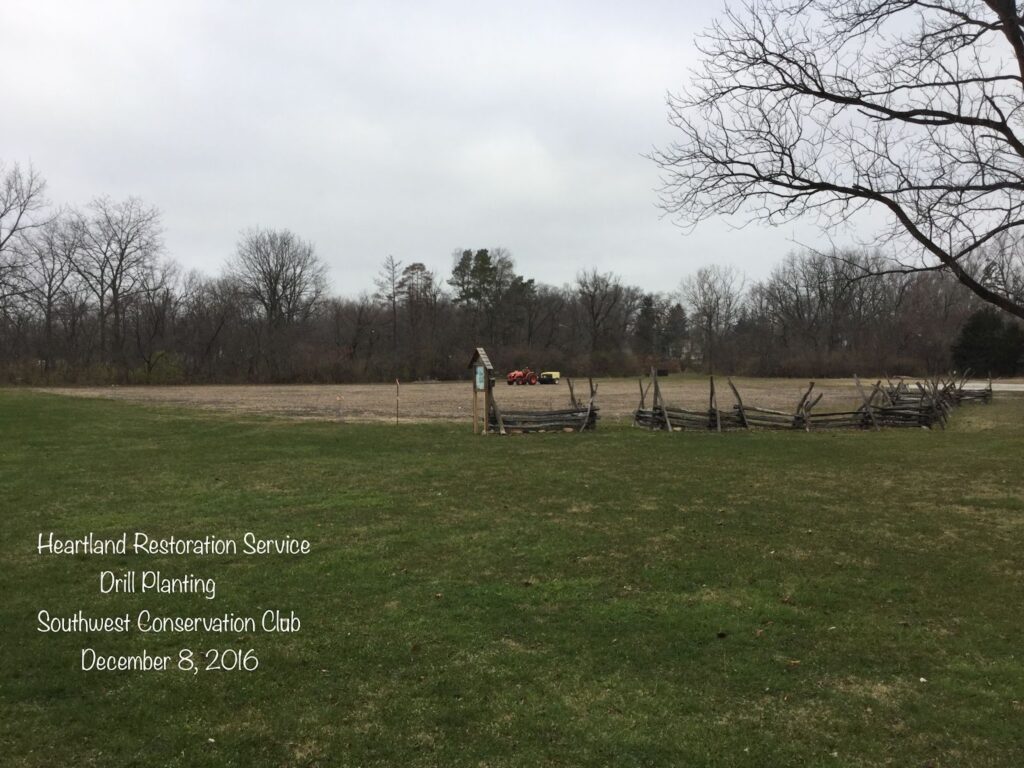
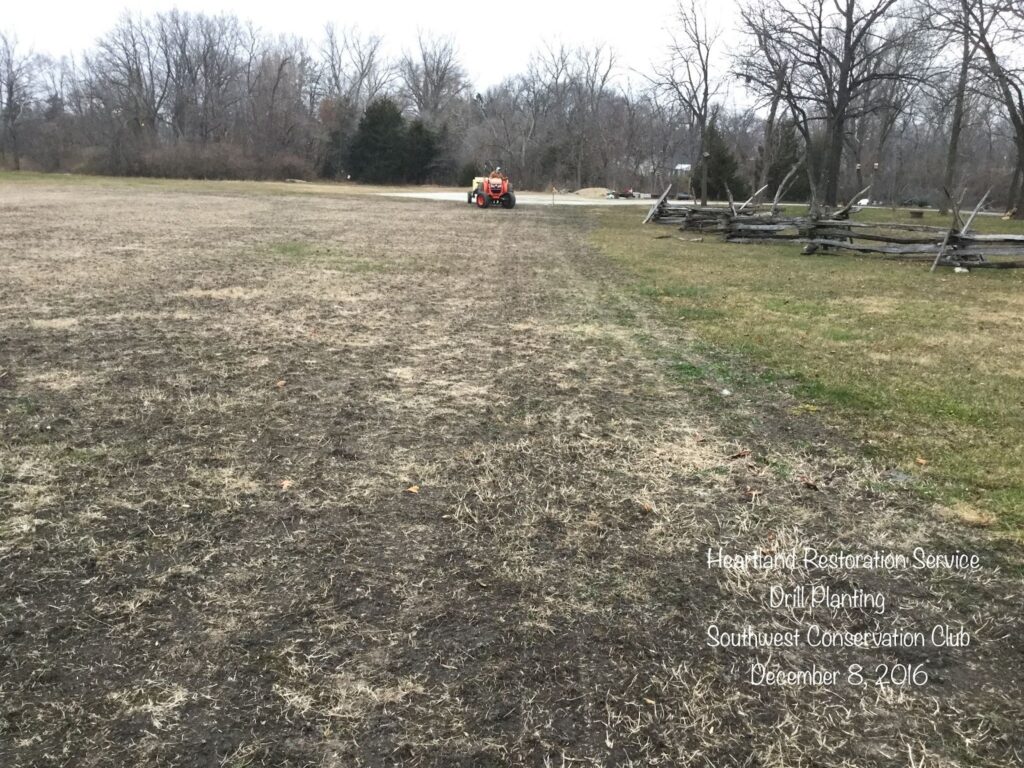
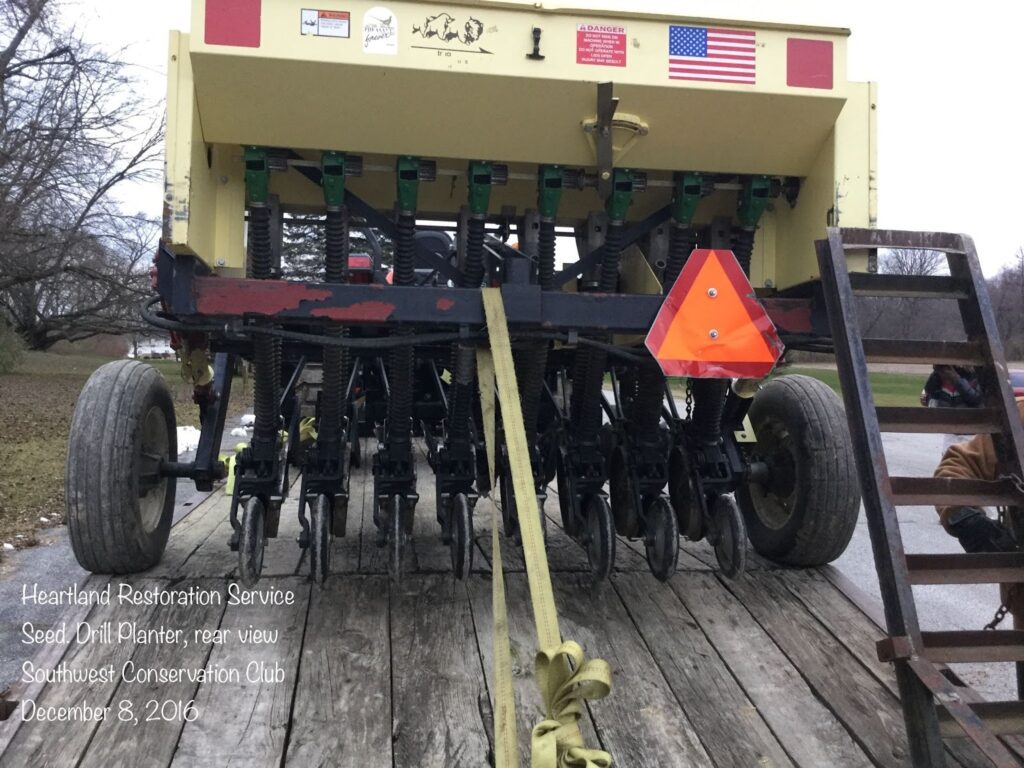
To prepare, the grass had to be cut soil-high or as low as possible. This was done so that the existing grass would not grow higher than the freshly planted native seeds. Next, a native-seed planting drill was used to plant the seeds. Using a hydraulic system, seed box, small tubes and discs, the drill creates 8 swaths/ rows at a time, each about 3 feet deep for the minute seeds to be dropped into. The rows were closed and then a good rain set everything together. The entire project took about 6-8 hours to complete on December 8, 2016.
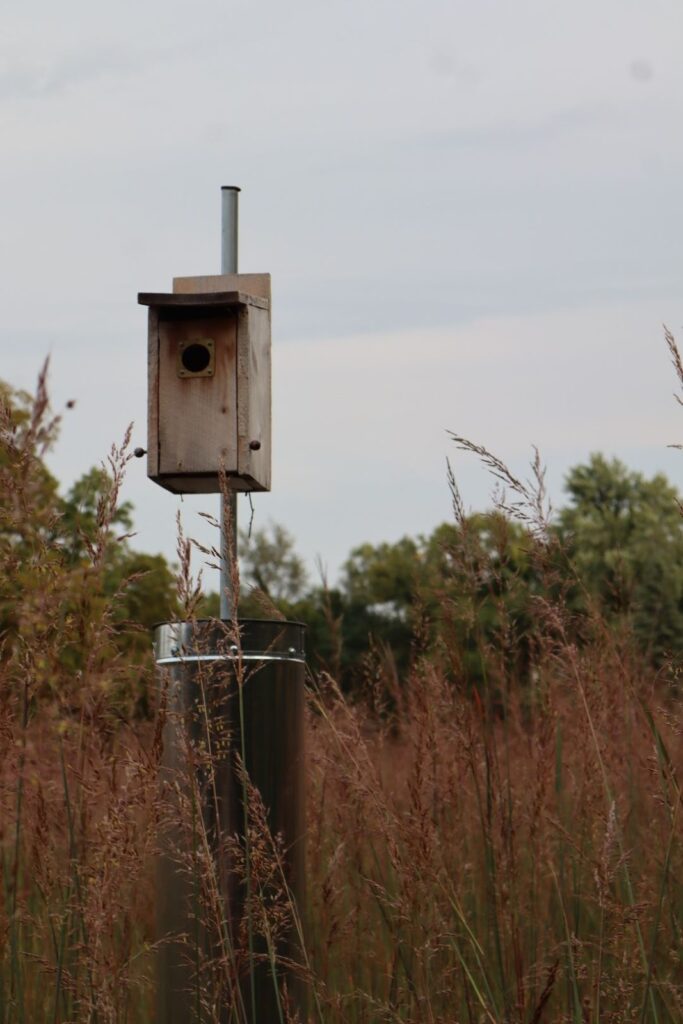
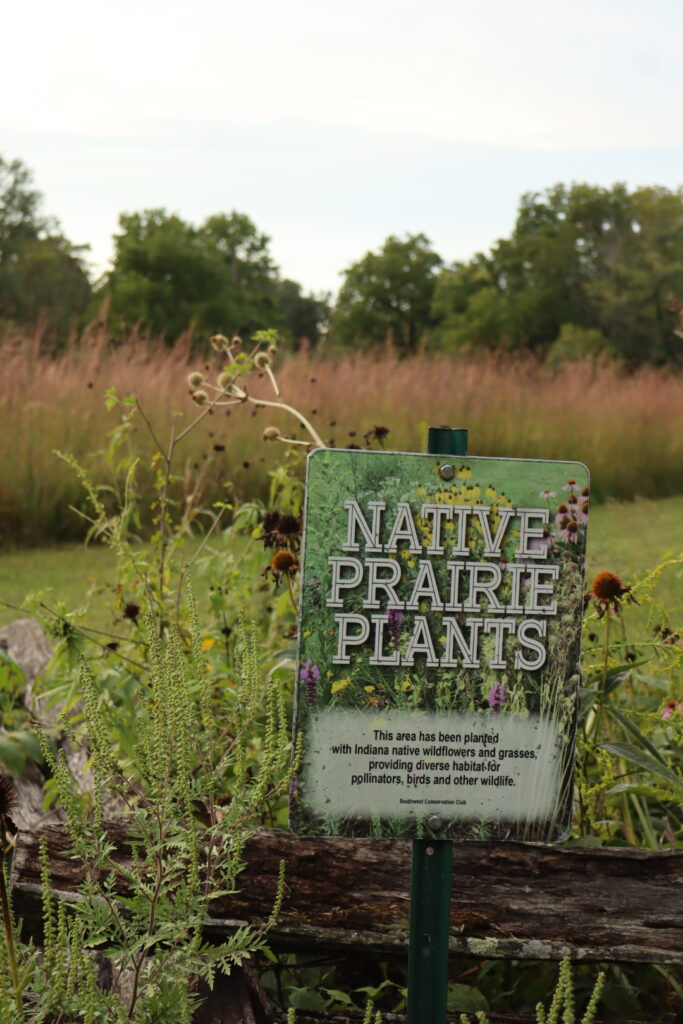
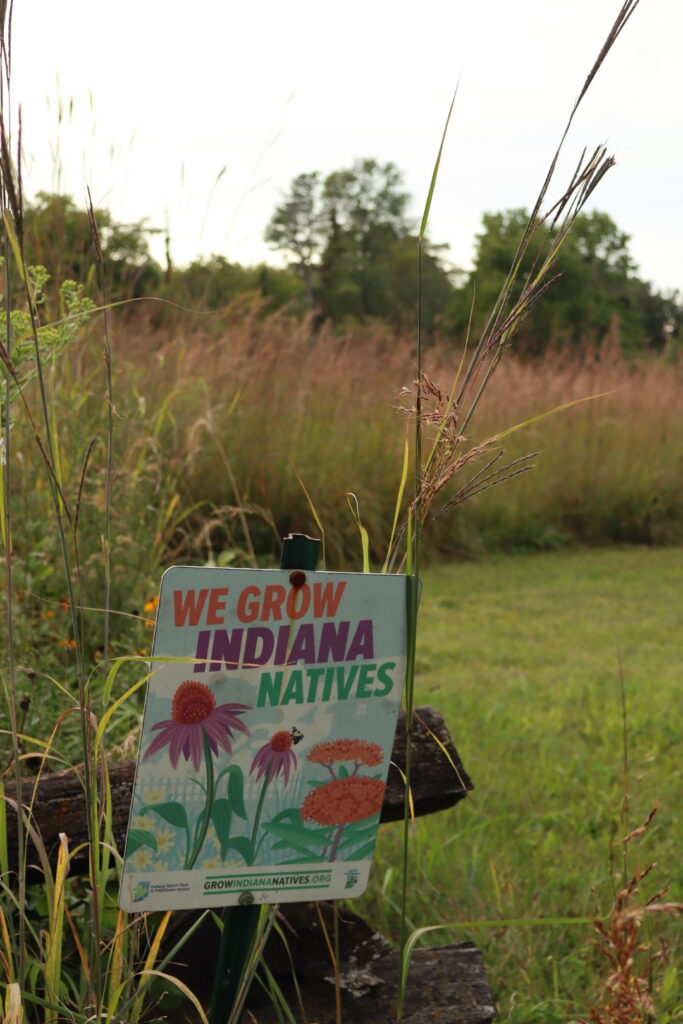
A prairie supports all types of wildlife. Ground animals like rabbits, mice, and squirrels can hide from hawks and other predators; they follow each other’s scent trail to get through the prairie or find a safe place to hide. Other animals like turtles lay eggs, while foxes can play around, hunt, and hide. We have seen up to 20 species of song birds, 4 species of swallows and 5 species of sparrow. The prairie is prosperous because all the different kinds of plants give each other nutrients. The deep root systems are a main component for prairie survival in different climates, giving them access to water deep in the earth so they can survive through a drought, and even through the cold Indiana winter weather.
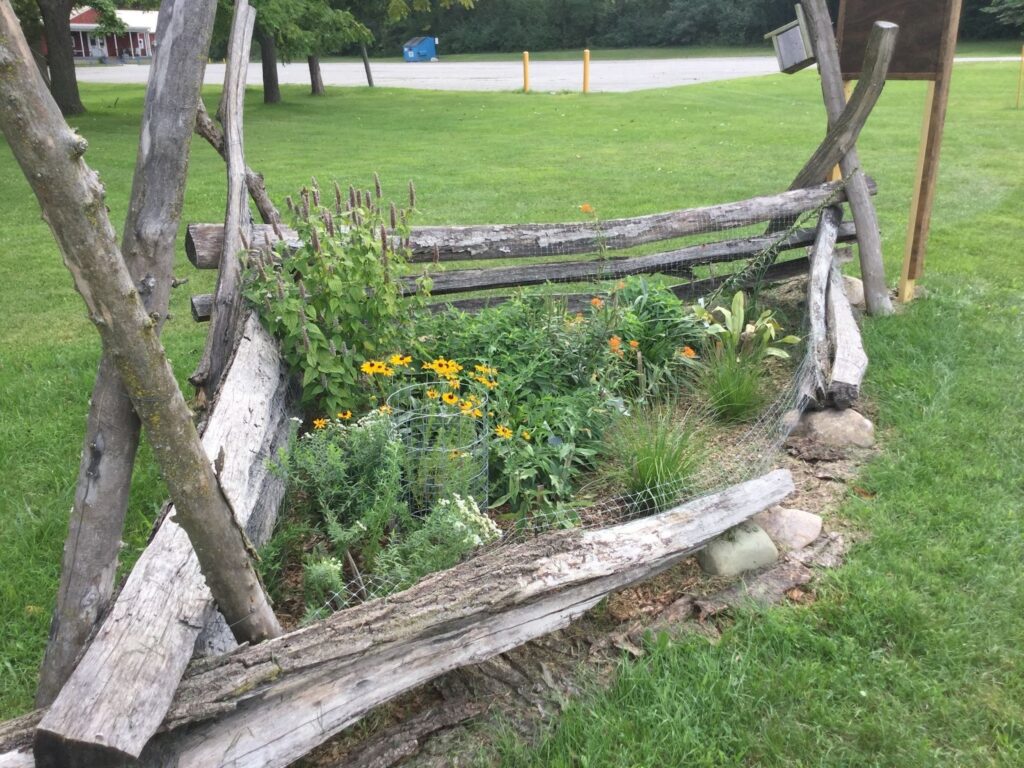
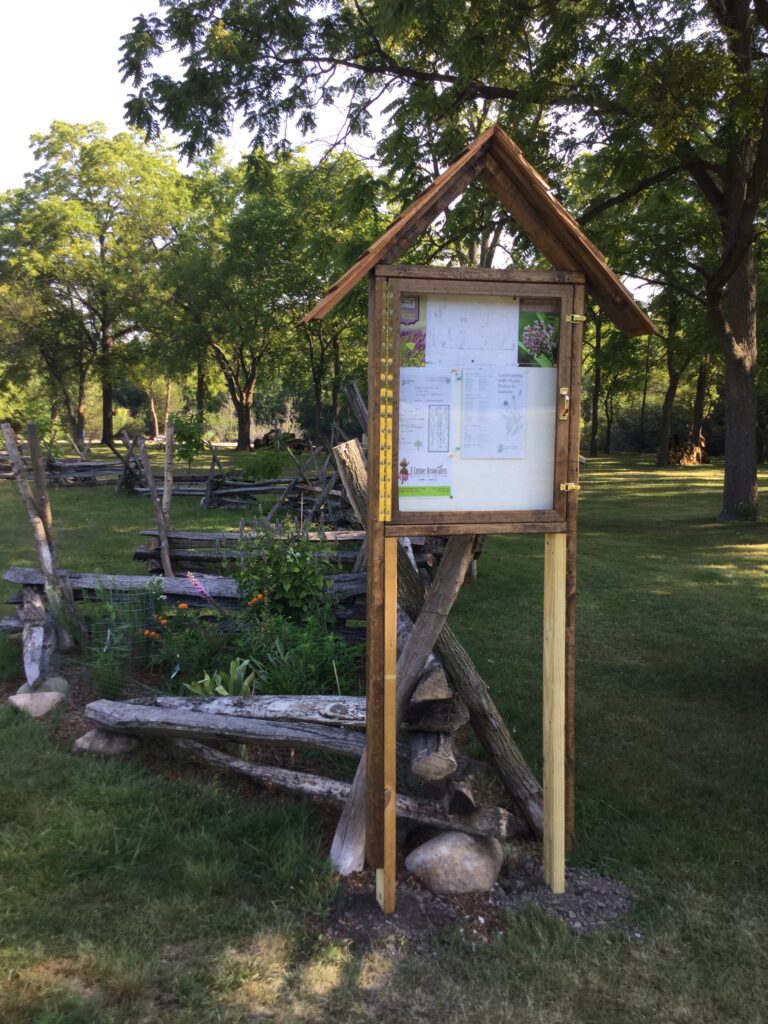
Wanting to dive deeper into this story, I asked Eddie what gave him the idea. He mentioned his late wife Nan, short for Nanette. She was an advanced master gardener and clearly had conservation in mind with knowledge about the idea Eddie had brought to the table. Nan was involved in the construction of the zig-zag split-rail fence, the rain garden, and the signage at the front of the prairie facing the clubhouse. Her and Eddie worked side by side, like two peas in a pod. She knew the rain garden would be an essential part of the prairie as it can help prevent wash-outs, as well as holding water to keep erosion from happening, while also providing food. Eddie explained that the plants had to be native to Indiana because domestic plants will not survive harsh cold weather or provide enough nutrients and will require watering and weeding.
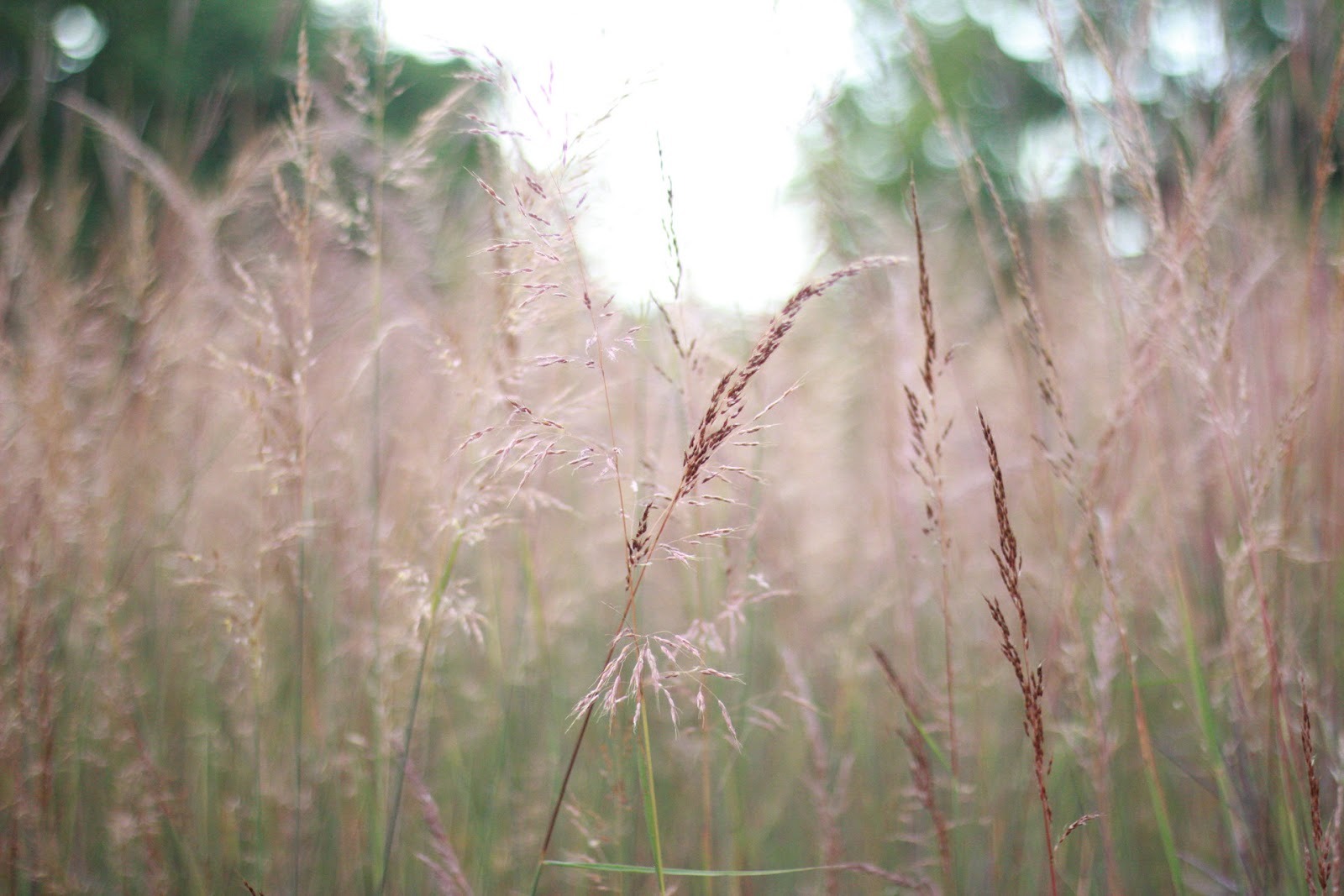
Eddie hopes that the Prairie Project will educate people about all the wildlife and species in the prairie; he mentions we have had a few school field trips to the prairie to check out the wildlife, take samples and learn about the different species. He recommends that you sit on a bench in the prairie on a nice evening, and just listen to the wildlife. I took him up on this, went out to the prairie on a nice chilly evening, listened to the katydids and crickets rub their wings together, creating their iconic sounds. We even heard cicadas singing their song and some small animals rustling through the prairie. Don’t be shy if you’d like to walk through the tall prairie grasses as well, bison trample through similar prairies, just make sure to wear proper attire. I would highly recommend that members come and also take Eddie up on his recommendation to sit and enjoy the natural beauty we have here at the Southwest Conservation Club.